
Placentia Neighbors by Block Source
A Placentia neighbors lookup works only when each source is given its own job. The parcel map shows geometry. The assessor gives APN-keyed value and exemption information while suppressing owner names online. RecorderWorks shows indexed recorded parties. Permits and zoning add land-use context. Voter records are restricted and do not create a public block browse. Civic and historical sources can identify organizations without exposing members.
| Source | What It Shows About a Block | Access |
|---|---|---|
| OC Tax Map and MapPlacentia | Parcel geometry, adjacent APNs, zoning, and land-use layers | Free after the map disclaimer |
| OC Assessor | Annual value, exemptions, and APN-linked roll information | Free eight-digit APN search; owner name suppressed |
| RecorderWorks | Recorded parties, deeds, liens, maps, and legal-description history | Free index; copies and images follow custodian rules |
| SmartGov and Building and Safety | Public notices, permits, project addresses, and inspections when displayed | Public parcel module; some account or counter channels |
| Voter records | Registration information only for an authorized purpose | Self-lookup or restricted file request |
| Community and historical records | Public organizations, past networks, photos, and manuscripts | History Room, city contact, or specific request |
Owners, residents, and social neighbors are different categories. A recorded party may be an owner, lender, trustee, entity, or other role. A permit applicant may be an owner-builder, contractor, or agent. A voter record represents registration, not everyone at an address. Count parcels and cite sources rather than publishing a compiled private-neighbor roster.
Click Placentia Parcels Touching and Facing
The adjacent-parcel method begins with one known address. The MapPlacentia zoning viewer documents search by parcel or address, zoom, click-identify, and an “I Agree” disclaimer step. The OC Tax Map supplies a separate county parcel route. Keep the target popup and map scale, then treat every touching or facing parcel as a new research key.
- Define the target address, street endpoints, or number range before collecting parcel records.
- Locate the target in the map, record its APN, and click parcels touching the boundary or facing it across the right-of-way.
- Check corner parcels, rear parcels, master parcels, condo units, common areas, and vacant parcels separately. Do not assume a simple sequence of house numbers.
- Run each APN through the assessor, RecorderWorks, SmartGov, and zoning layer as separate questions, then compare the legal descriptions and dates.
- Use the full named-street workflow in the Placentia street directory only when the question expands beyond the immediate block.
The research did not verify a buffer, radius, select, measure, export, complete layer list, or full popup inventory in the live GIS sample. Do not describe those controls as available. A touching or facing relationship is a map definition, not proof that two households know each other.
OC Landbase Puts Placentia Neighbors in Parcel Context
OC Public Works Landbase supplies a county-scale frame for a Placentia block. The research describes more than 687,000 parcel geometries with APN, owner, street, and district attributes in the public release. The release is annual, and final tract and parcel maps are added about four to six weeks after recordation. Those timing limits matter when a recent split, merger, or lot-line adjustment is the reason a map and a tax screen seem to disagree.
Landbase and the map are parcel tools, not occupancy files. A single tax parcel can contain many residences, an apartment or condominium structure can use a master parcel plus unit APNs, and a common-area parcel may have no ordinary house number. Preserve the parcel count and legal description. Do not convert a geometry total into a count of Placentia neighbors.
The assessor’s public search takes an eight-digit APN and returns annual value or exemption information. It expressly does not support an owner-name search. The Treasurer address search is the bridge when an address is known, and tax layers can remain static for the fiscal year after the annual update.
Zoning Explains a Placentia Block's Mix
MapPlacentia adds zoning and land-use context to the neighbors question. It can help explain why a block contains a mix of parcel shapes or uses, but the research does not treat the zoning viewer as an ownership or resident source. SmartGov adds public notices and permit context. Some applications and inspection results require an account, and Building and Safety remained in beta during the 2026 fee transition.
For a project address, record the permit or application number, applicant role, work type, issue or final date, inspection chronology, and status when the source shows them. A permit applicant can be a contractor or agent. A zoning layer can show a land-use designation. Neither one establishes who lives at the address.
Placentia’s Old Town and Chapman Corridor are useful planning and archive search terms. The local plan describes an approximately one-mile, 55-acre corridor between the Fullerton boundary or Placentia Avenue and Kraemer, with development from the 1920s through the 1980s. Use the official plan name when a block record has changed over time.
Placentia HOA Statements Name Entities
Recorded HOA statements and CC&Rs can identify an association or other entity tied to a parcel. They do not disclose a current member roster. City Neighborhood Services and Community Collaborative supply civic contact paths, while historic organization records show how community networks operated in earlier periods. A public officer or organizational contact is different from a list of households.
| Community layer | What the research supports |
|---|---|
| Neighborhood Services | City contact route, (714) 986-2333 |
| Community Collaborative | Named civic network to verify through city channels |
| Recorded HOA statement or CC&R | Association entity connected to a parcel, not member names |
| History Room organizations | Community Network, West Atwood Yacht Club, Founders Society, and Women’s Round Table records |
No official comprehensive current HOA, neighborhood-watch, congregation, block-club, or member directory was found in the reviewed sources. Ask for a specific public organizational contact or historical collection. Do not ask a civic office to assemble a private list.
Placentia Voter Files Cannot Build a Neighbor List
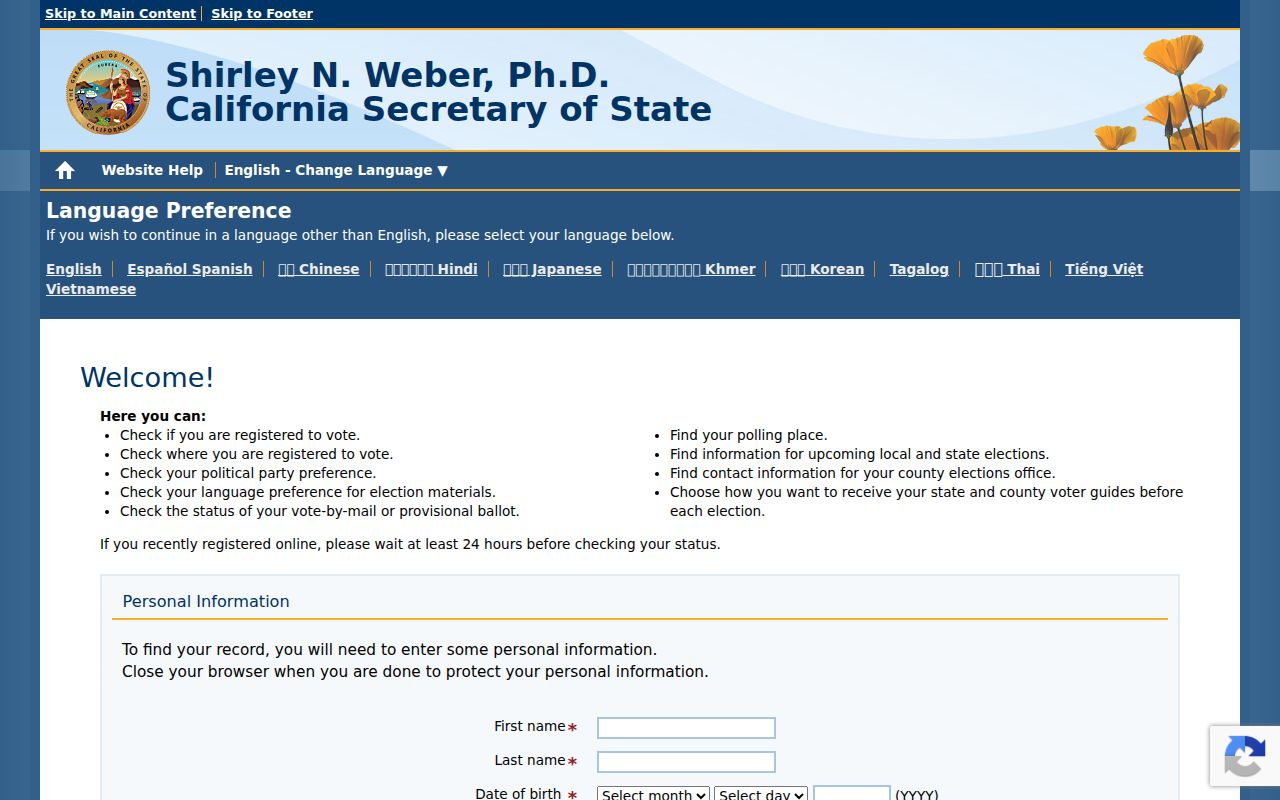
The California voter-status lookup is authenticated self-service. Orange County’s own lookup asks for date of birth, the last four digits of a California license or ID or an SSN where applicable, and first-name letters when needed. It can show a voter’s own status, address, party, history, districts, ballot, and vote-by-mail panels. It is not a reverse-address service for Placentia neighbors.
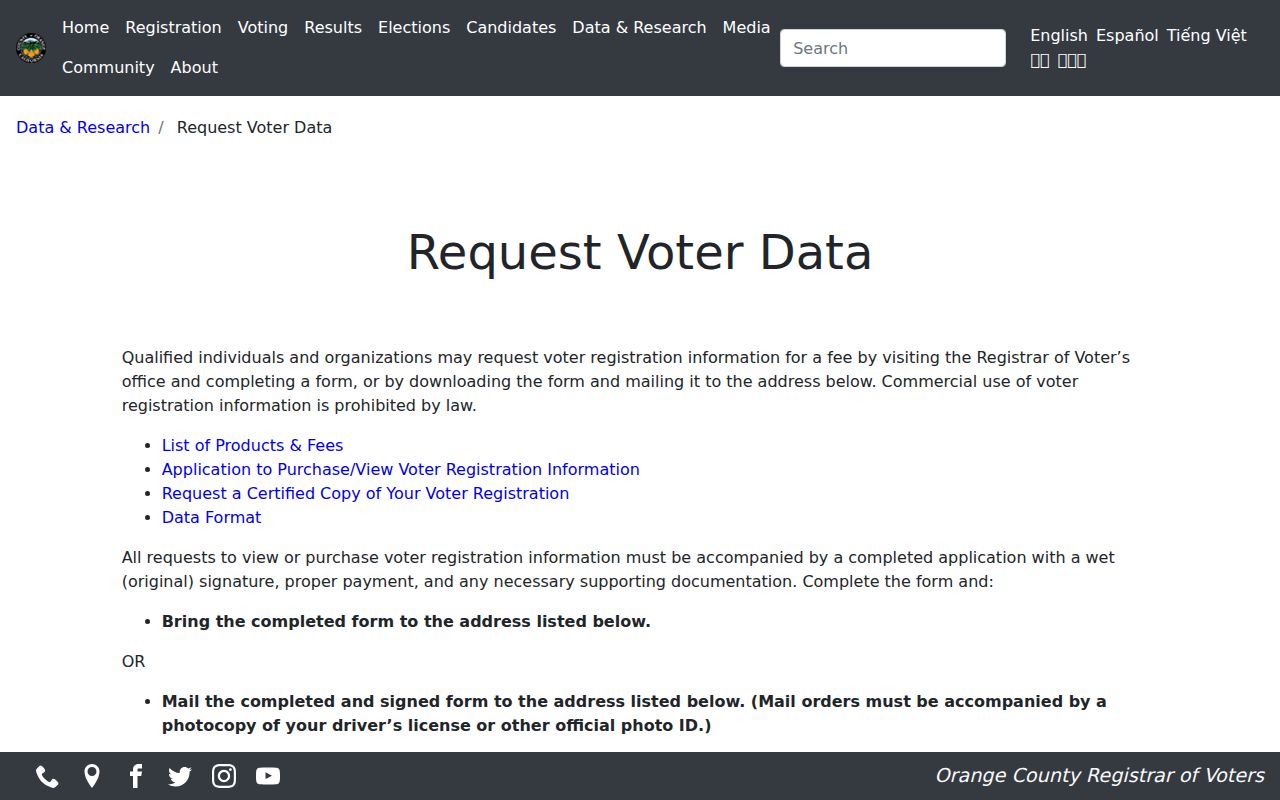
Full-file access requires a permitted election, scholarly, journalistic, political, or governmental purpose under Elections Code section 2194 and Government Code section 7924.000. Orange County requires an original wet signature, payment, support documents, and a security agreement. Mail or delivery goes to 1300 S. Grand Avenue, Building C, Santa Ana, 92705; email and fax applications are not accepted. The product can specify district, registration date range, and selected election history. State pricing is $15 per 1,000 records with a $100 cap; county product fees differ.
The Orange County restricted voter-data process shows why a lawful request is not the same as a block browse.
Even an authorized file omits confidential fields and protected voters. Registration represents a voter record, not every person at the address, and participation never reveals ballot choices.
The California My Voter Status source supplies the self-service comparison.
Aggregate city, precinct, and district counts are the safer way to describe civic geography without naming private neighbors.
Placentia Police Records Are Incident Records
Placentia Police Records is a separate public-record channel, not a resident directory. Requests go to (714) 993-8164 ext. 2, records@placentia.org, fax (714) 996-2719, or the counter. Hours are Monday through Friday from 8 a.m. to 6 p.m. and Saturday from 8 a.m. to 2 p.m. Reports cost $10; digital copies are free. The page states a ten-day determination period with a possible additional 14 days.
The Placentia Police records source shows the local request route.
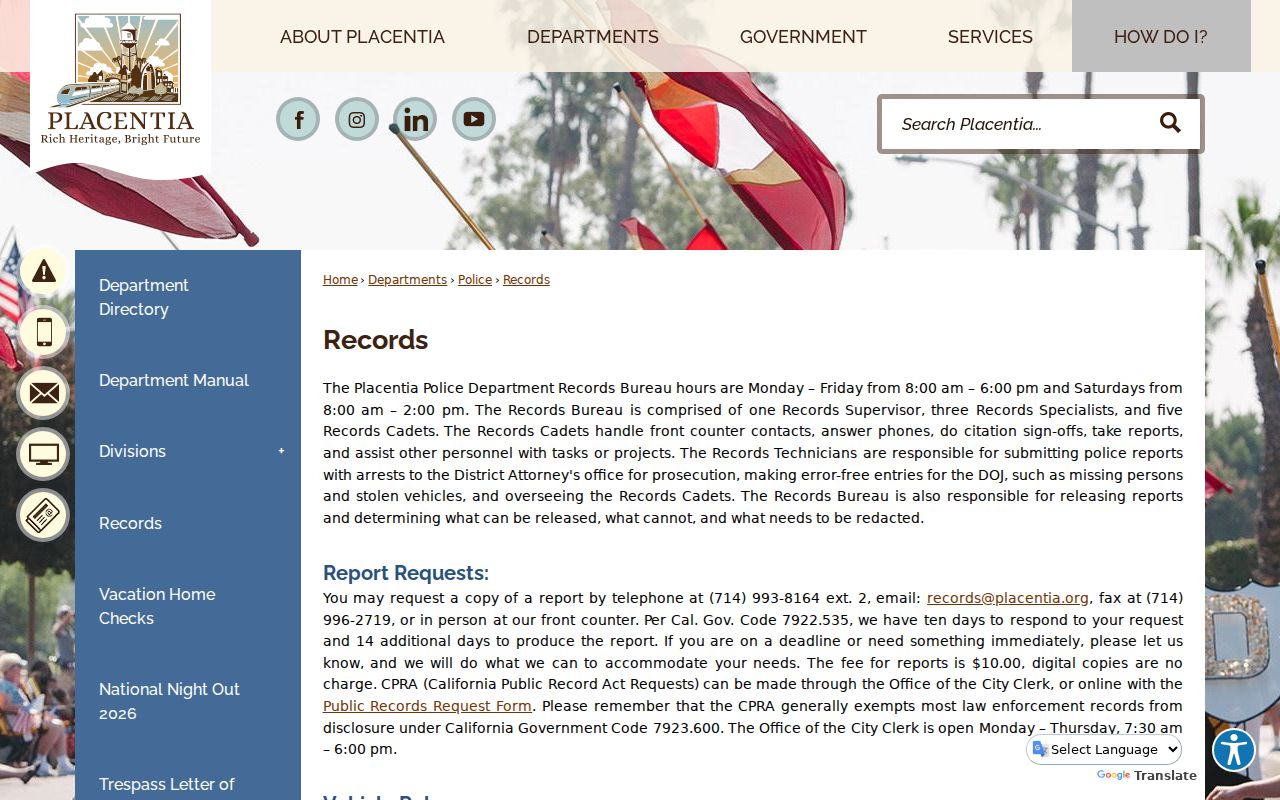
Most law-enforcement records may be exempt under Government Code section 7923.600. Body-camera records are not generically open and may require a subpoena. An incident record can answer a narrow event question, but it cannot establish a complete list of people living around a block.
Historic Placentia Community Networks
The Placentia Library History Room preserves the local layer that a parcel map cannot show. Its holdings include more than 5,000 photographs, videos, oral histories, maps, and past PYLUSD yearbooks. Appointment-only manuscripts include Ziegler, MacFadden, Gerhold, Richards, Lyons, Carpenter, Higuera, and Kraemer family papers, along with citrus-packing, hospital, PTA, women’s, and civic-organization records.
CSUF’s Lawrence de Graaf Center reports more than 6,000 regional oral histories and includes Placentia residents. City resource and chamber directories identify civic organizations or businesses, not household members. Search by family, organization, citrus, packing, neighborhood, or community term, then cite an oral history as a narrator’s account and corroborate it with a dated record.
The History Room does not publish an authoritative current HOA, association, congregation, alumni, funeral-home, or member-directory run. That absence is a research boundary, not evidence that no group exists.
Privacy Limits on a Placentia Neighbor Lookup
California privacy rights can limit a commercial copy of a person’s information without changing an official deed or court file. CCPA and CPRA rights include knowing, deleting, correcting, and opting out of sale or sharing, subject to exceptions. California DROP opened January 1, 2026, with registered broker processing scheduled to begin August 1, 2026. Send only the minimum matching details and save a request confirmation.
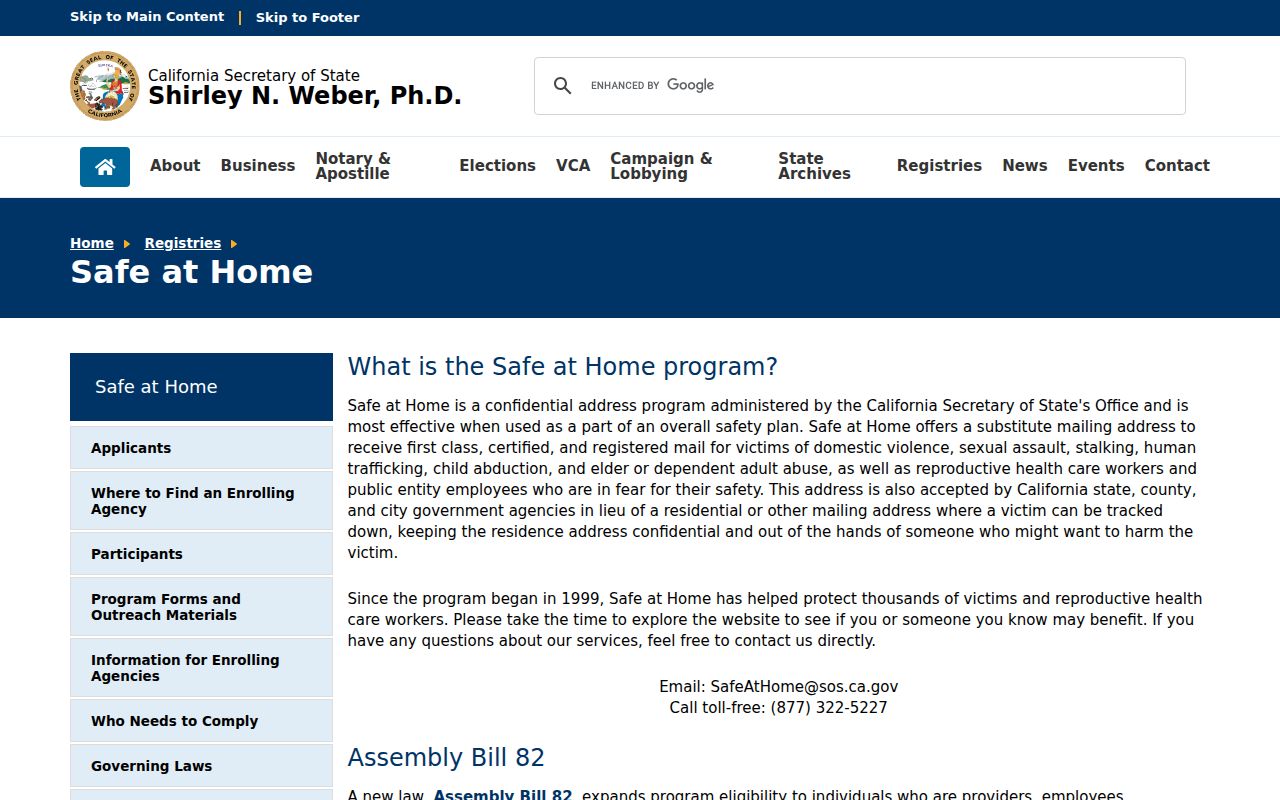
Safe at Home supplies a substitute address, mail forwarding, and confidential voter procedures for qualifying survivors and threatened workers. It does not automatically remove public property material. The Safe at Home source below is a reminder that a protected address may not appear where an ordinary map search expects it.
Lawful use. Use Placentia neighbor records for personal safety awareness, civic curiosity, family history, or a lawful organizational contact. Never use a map, voter record, police record, or address to watch, follow, threaten, harass, or harm anyone.
When a record is uncertain or protected, contact the custodian or public organization instead of approaching a private address. A careful neighbors lookup ends with a documented parcel question, not a compiled roster.